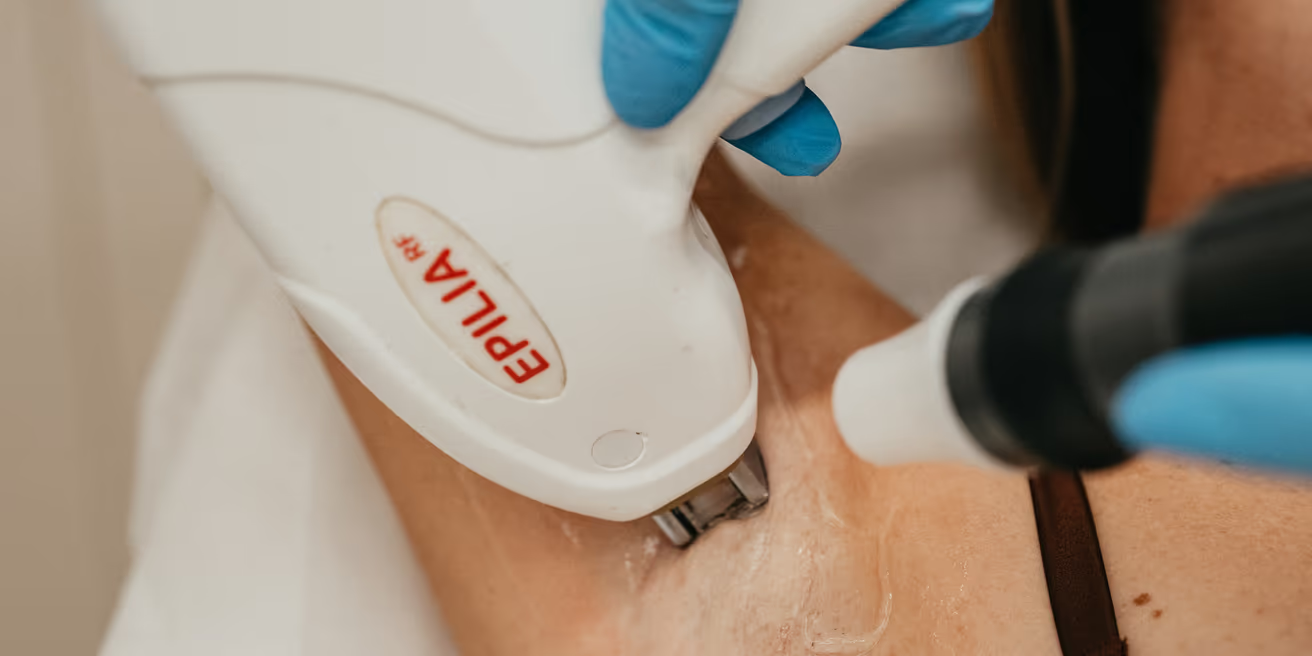
The principle behind this hair removal method is the use of a laser beam, which selectively targets the pigment in the hair, passes through the outer layer of the skin without damaging it, reaches the hair follicle, and destroys it through the application of heat. In the case of light or fine hair, which is simultaneously treated with radiofrequency waves, which do not bind to the hair’s pigment, cooling the upper layer of the skin makes it possible to effectively remove the hair roots, including the follicles, in the deepest layers. As the laser targets hairs that are currently in the growth phase, approximately one-third are removed in a single treatment; therefore, laser hair removal must be repeated. Depending on the size of the area being treated, the procedure is carried out at least 7 times, always at intervals of approximately 4–12 weeks, depending on the area being treated. Why is it necessary to repeat the treatment? During the procedure, some hairs are in the ‘dormant’ or ‘shedding’ phase, so the laser has no effect on them. Only those in the ‘active growth’ phase are removed. Although the treatment yields satisfactory results for the vast majority of clients, it is not possible to guarantee success or permanent results, as the effectiveness of the treatment is influenced by many factors. Hormone-influenced hair requires a higher number of treatment sessions than is standard for hair removal. In the case of beard hair and grey hair, the effectiveness of the procedure is very low.