



Blog
Seborrhoea of the scalp – how to recognise it, what causes it and effective treatment
Seborrhoea of the scalp, also known as seborrhoeic dermatitis, is a relatively common condition. Although it is not a serious condition, its symptoms can cause social difficulties for patients.
In this article, we will take a closer look at its typical symptoms, the causes of the condition, and the effective treatment options currently available.
Seborrhoea of the scalp – basic characteristics of the condition
The term ‘seborrhoea’ refers to a chronic inflammatory skin condition. It mainly affects areas of the body with a high concentration of sebaceous glands – namely the scalp, eyebrows, the area behind the ears, the armpits, the torso and the groin.
- It is not infectious – it is not transmitted from person to person.
- It can occur at any age.
- Men are more prone to this condition (due to higher levels of the hormone testosterone).
- An overgrowth of yeasts of the genus Malassezia also plays a role in its development.
- It is one of the causes of dandruff.
How to recognise seborhoeic dermatitis
One of the first signs of the condition is a change in the colour of the affected skin. This may range from pinkish to salmon-coloured. If the condition worsens, yellow-brown, greasy scales or crusts of varying thicknesses begin to form on the skin.
As the condition progresses, the affected area may also become very itchy. In addition, the sufferer may notice excessive hair loss or their hair becoming greasy more quickly.
Dandruff or seborrhoea?
You may have noticed that, at first glance, these symptoms do not differ greatly from ordinary dandruff. In fact, these symptoms are also common to other skin conditions, such as psoriasis, atopic eczema or allergies, and it may not always be easy to determine the nature of the condition.
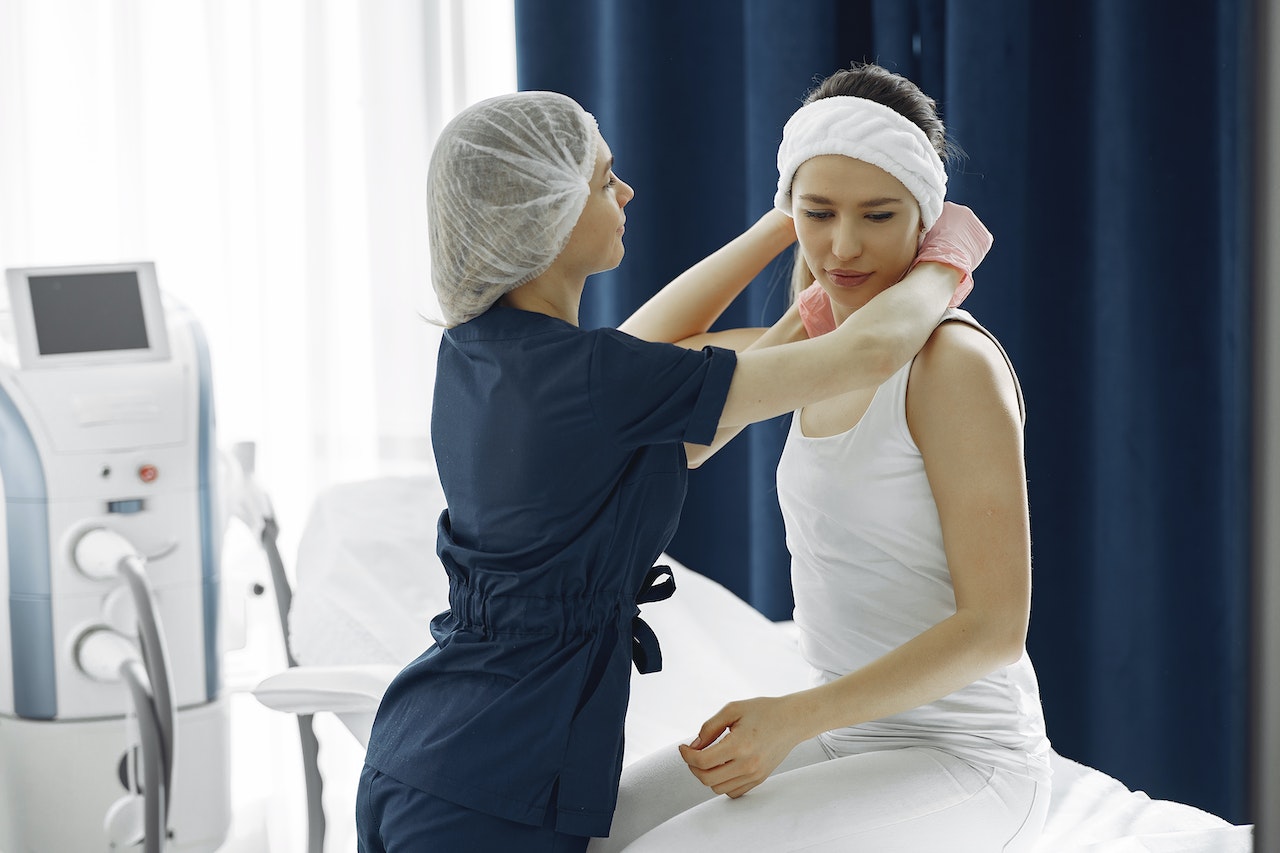
An accurate diagnosis can be obtained following a trichological examination, during which a specialist will analyse your hair and scalp, make a precise diagnosis, identify the causes of the problems and suggest possible solutions.
You can also undergo a comprehensive trichological examination at our premium hair clinic in Prague. Find out what is causing your hair problems and tackle them together with renowned professionals.
What not to do if you have seborhoea in your hair
Unpleasant itching can tempt you to scratch your scalp constantly. Try to avoid doing so to prevent the infection from spreading. Do not peel off any flakes of skin. Doing so could cause the affected area to bleed and prolong the healing process.
What are the causes of seborrhoea?
Although this is a relatively common condition, the mechanism behind its development remains a mystery to dermatologists. However, we are aware of certain indicators and can therefore identify a group of at-risk patients who are more likely to develop the condition. This mainly involves a combination of the following factors:
How does this skin condition manifest in the hair?
Let’s look at what happens when these risk factors come together. Recall the aforementioned yeast of the genus Malassezia. This microorganism is commonly found on the surface of our skin. It feeds on the skin’s sebum and produces fatty acids. However, when it overgrows, the balance is disrupted, causing the scalp to react with inflammation and accelerated production of new cells in the outermost layer of the dermis. The result is a large amount of flaky, dead skin.
Seborrhoeic dermatitis by age – does seborrhoea in adults differ from that in children?
The symptoms and course of the condition are identical – clearly defined, pinkish patches begin to appear on the head (primarily on the crown) or, in some cases, on the body, which are accompanied by yellow-brown scales in a later stage. However, there may be certain nuances in the approach to treatment.
1. Treatment of seborrhoeic dermatitis in young children
The skin of babies and toddlers is extremely sensitive, as its protective layer is not yet fully developed. The products you choose to wash the affected skin should therefore be very gentle, and you should proceed with great care.
2. Seborrhoea of the scalp and treatment in adults
To stop the inflammation and alleviate or completely eliminate unpleasant symptoms, such as flaky skin and itching, it is first necessary to assess the severity of the condition.
In more severe cases, your doctor will prescribe special topical treatments containing corticosteroids. Although these have a bad reputation, are not suitable for long-term use and are feared by many patients, there is nothing to worry about provided you follow the guidelines for their correct use. Their undeniable advantage is that they can quickly halt inflammatory processes and help the skin to regenerate more rapidly.
Anti-seborrhoeic shampoos
Milder forms of this condition can be successfully treated using over-the-counter shampoos, gels and creams containing antifungals and anti-inflammatory agents.
Treating seborrhoea on areas other than the scalp
If you are also troubled by seborrhoeic dermatitis on other parts of the body, you can also use the shampoos mentioned above to treat these areas. Alternatively, there are special cleansing foams and gels containing tar or sulphur. These are also available over the counter in most pharmacy chains.
Seborrhoea of the scalp and natural treatments
Patients with a milder form of the condition may find relief from natural peat wraps. Even those with a more severe form of the condition can try to support their treatment with the following tips and ‘old wives’ remedies’.
Are you looking to tackle problems with baldness or thinning hair? Are you interested in the conditions, procedure and cost of a hair transplant? You can find the price list for the services available at our clinic on our website. For more information, please do not hesitate to contact us to arrange a consultation.
Keep an eye on the condition of your seborrhoeic dermatitis. Your experience will help you with the treatment.
The treatment of seborrhoea is a long-term process and must be repeated. You will likely go through periods with minimal or even no symptoms, as well as periods where treating the flaky patches will be more challenging. So try to observe for yourself which foods, hair care products or, where applicable, your habits improve your condition, and which, conversely, make it worse.
Could seborrhoeic dermatitis be causing your hair loss?
Excessive hair loss is indeed one of the accompanying symptoms of this condition. However, this can be caused by a whole range of other factors. We therefore recommend visiting a specialist hair clinic, undergoing a trichological examination and deciding on the next steps based on the results.
In some cases, a hair transplant is the only solution to the problem. You can find client testimonials, our price list and information about the procedure on our website. We’d be happy to discuss the details with you during a consultation.